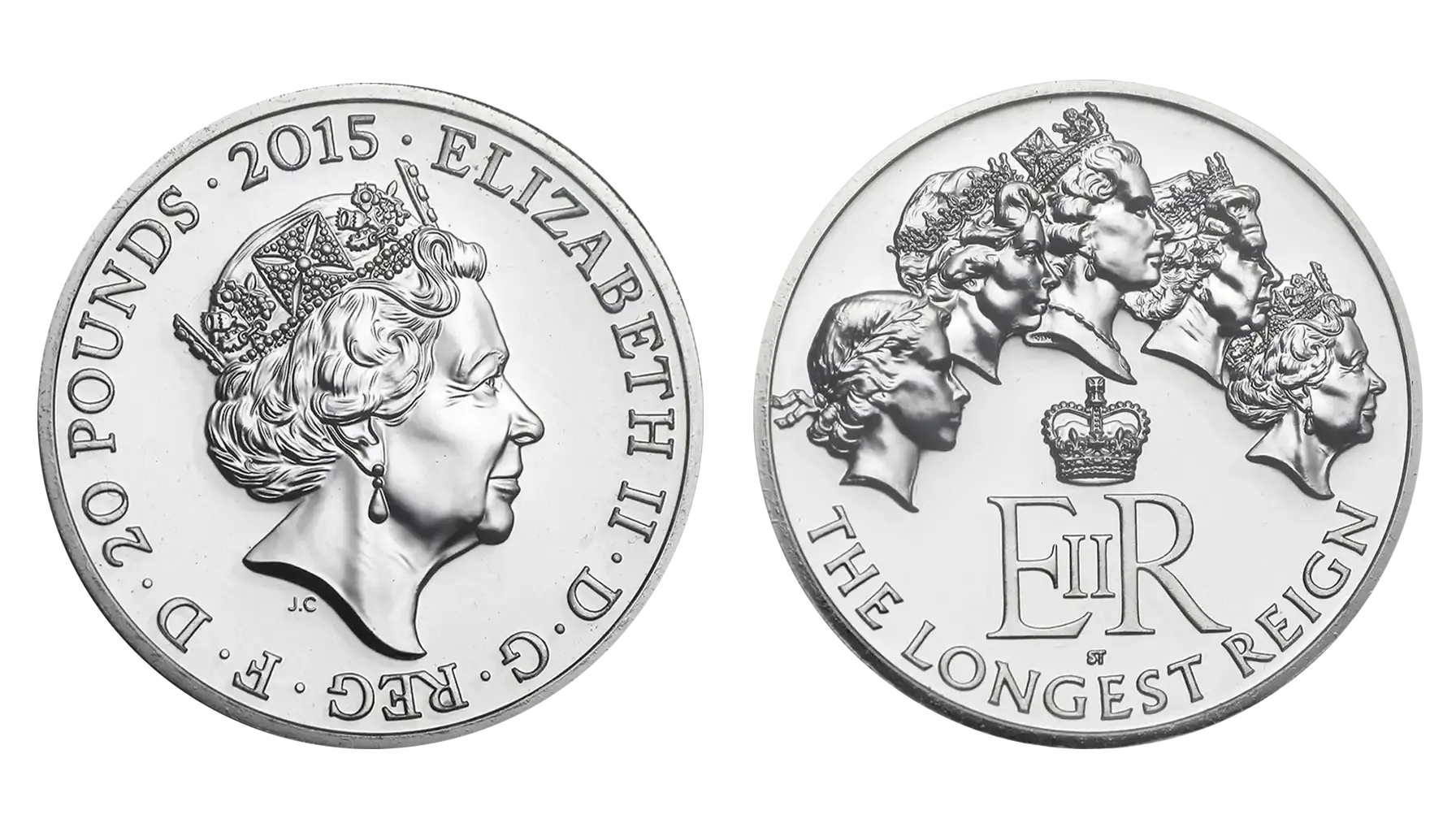
If you’re an avid numismatist or just someone curious about rare coin identifier, you’ve stumbled upon a fascinating world of history and value. Coin collecting is not merely a hobby; it’s a pursuit that combines history, art, and sometimes, significant financial investment. In this guide, we’ll explore how to identify rare coins, the tools at your disposal, and the importance of knowing what you have. Let’s delve into the intricate universe of coins!
The Allure of Rare Coins
Each coin tells a story, offering a glimpse into the economic conditions, technological advancements, and societal values of the time it was minted. Rare coins can be incredibly valuable, but their worth isn’t solely based on scarcity. Factors like demand, condition, and historical significance play vital roles. Identifying rare coins can help collectors and investors uncover pieces that may hold substantial monetary and historical value.
What Makes a Coin Rare?
Not every old coin is considered rare. The rarity of a coin is influenced by several factors:
- Minting Errors: Coins with mistakes during the minting process, such as double strikes or misprints, are often more valuable.
- Limited Production: Coins produced in small quantities typically hold higher value.
- Historical Context: Coins from significant historical periods or events can be particularly sought after.
- Demand in the Market: A mere handful of coins may be rare, but if there’s a strong demand for them, their value increases significantly.
Essential Tools for Coin Identification
To identify rare coins accurately, collectors need several tools and resources:
- Magnifying Glass: A good-quality magnifying glass helps you inspect details like coin marks and wear.
- Coin Guides: Books and online resources provide images, descriptions, and pricing for various coins.
- Scale: A precise scale helps you measure the weight of the coins, as some rare types have specific weights.
- Digital Photography: Taking clear photographs can help with research and sharing for expert opinions.
- Reference Databases: Websites and forums specializing in numismatics serve as platforms for community knowledge.
The Process of Identifying Rare Coins
Here’s a step-by-step process to help you effectively identify rare coins:
- Examine the Coin: Start by inspecting the coin with a magnifying glass. Look for mint marks, engravings, and wear patterns.
- Check the Composition: Know the materials used in the coin’s manufacture. This information impacts its value and rarity.
- Research the History: Utilize books and online references to verify the coin’s background and significance.
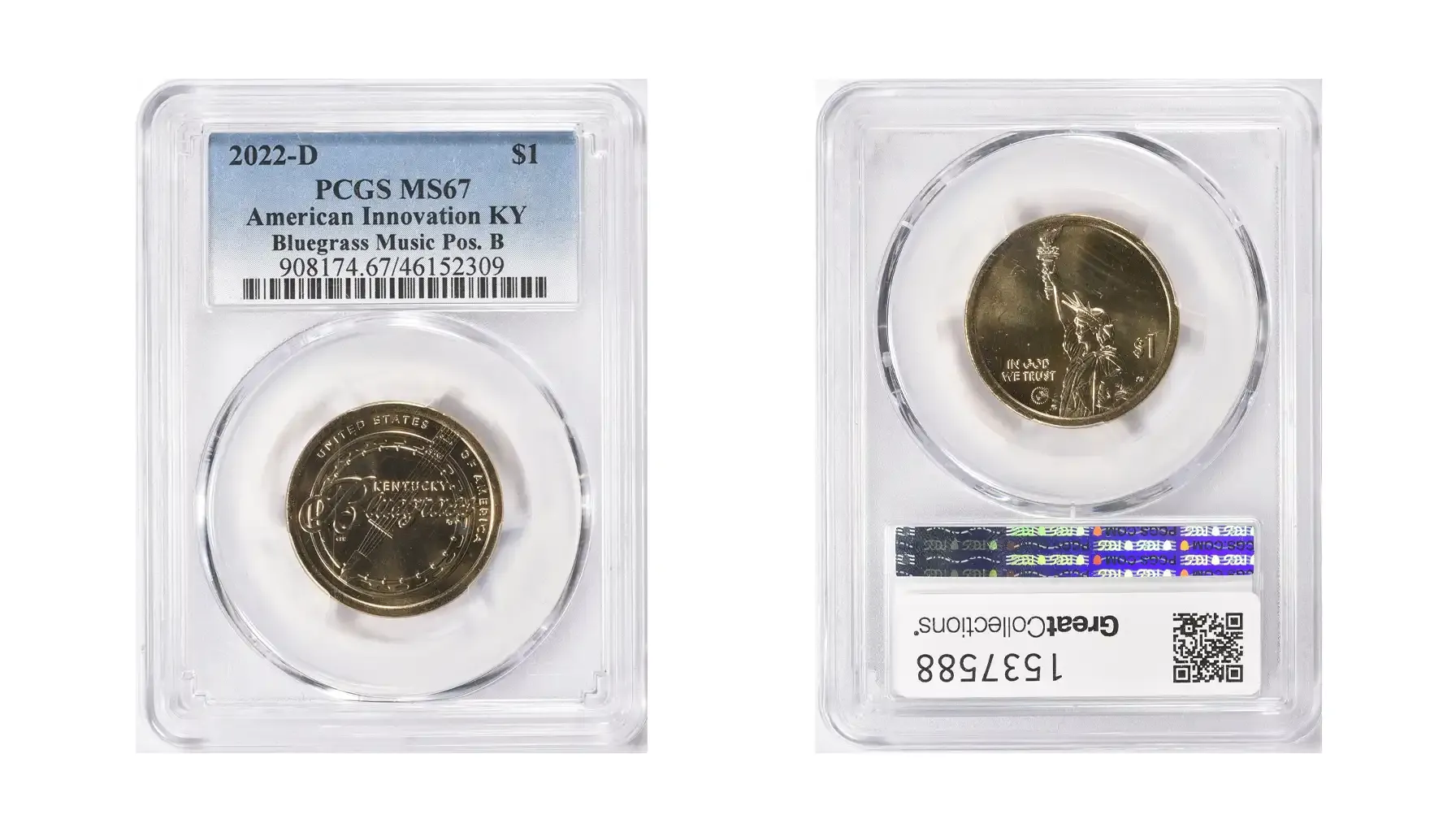
- Determine the Grade: Coin grading is vital, as the condition heavily influences value. Familiarize yourself with grading scales.
- Seek Expert Help: When in doubt, consult with numismatic professionals who can provide in-depth evaluations.
Understanding Coin Grading
Coin grading determines the condition and quality of a coin, which directly impacts its market value. The widely accepted grading scale is the Sheldon Scale, ranging from 1 (Poor) to 70 (Perfect). Understanding this scale is crucial for serious collectors, as even a minor difference in grade can drastically change a coin’s value.
Common Mistakes in Coin Identification
Even seasoned collectors can make errors when identifying rare coins. Here are some common pitfalls to avoid:
- Neglecting Proper Research: Skipping extensive research can lead to missing key details about a coin’s rarity.
- Ignoring Condition: Forgetting to evaluate the coin’s grade can lead to misestimating its value.
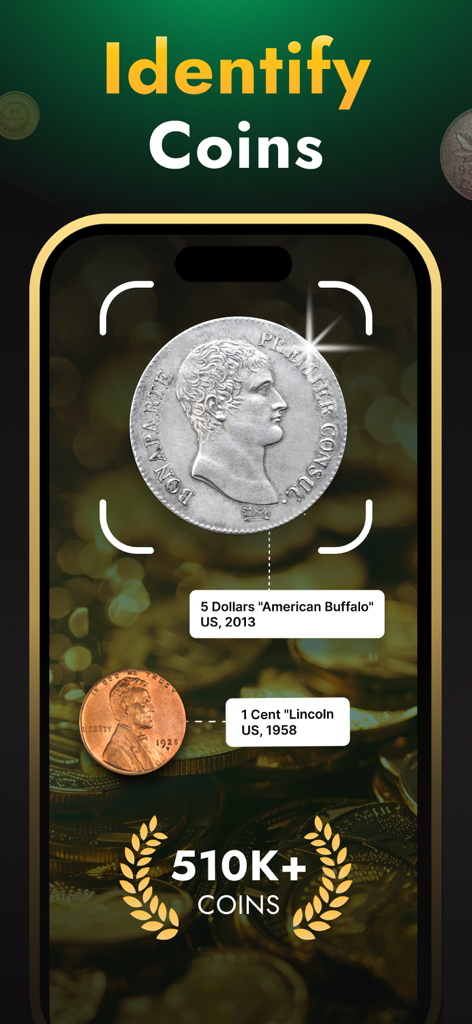
- Relying Solely on Apps: While technology aids identification, it shouldn’t replace thoughtful inspection and research.
The Economic Impact of Rare Coins
Investing in rare coins has grown in popularity over the years, often seen as a hedge against inflation and market volatility. With the right knowledge and access to the appropriate rare coin identifier tools, investors can make informed decisions that could lead to significant gains over time.
Joining the Community
The coin-collecting community is vast and diverse. Online forums, local clubs, and coin shows are excellent environments for learning. Engaging with fellow collectors can provide new insights into rare coin identification and offer networking opportunities that might lead to unique finds. Following influential collectors and experts on social media platforms can also yield valuable tips and resources.
Conclusion
Identifying rare coins is a multifaceted endeavor that combines a passion for history with the thrill of discovery. By utilizing the right tools, conducting thorough research, and engaging with the numismatic community, you can unlock the hidden treasures within your collection. Whether you’re a hobbyist or a professional, the journey of rare coin identification is rewarding, both intellectually and financially. Embrace the adventure, and who knows what valuable history lies hidden within your collection!